
In a testament to its sustained focus on educational reform, Morocco has been ranked second among African countries for the overall quality and accessibility of its education system, according to a recent report by The African Exponent, a respected regional publication specializing in economic analysis and developmental indices.
The continental ranking places Morocco just behind Egypt, which retained the top spot on the strength of its wide‑ranging education reforms. Cairo’s strategy includes comprehensive teacher training programs, curriculum modernization, and the establishment of international university branches in its new administrative capital—efforts that have significantly elevated its educational outcomes.
Morocco’s performance reflects a growing commitment to strengthening its education sector, driven by strategic policy changes and targeted investments. In recent years, Rabat has undertaken significant revisions to its school curricula to emphasize critical thinking, science, and technology education, while also expanding bilingual programs that enhance linguistic and academic competitiveness.
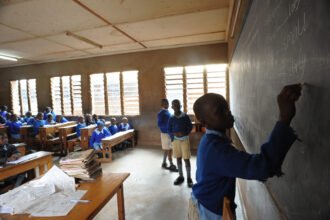
A key component of Morocco’s success has been an expansion of teacher training initiatives, which have helped improve instructional capacity across both urban and rural schools. Additionally, the nation’s international partnerships—with France, Spain, and Gulf Cooperation Council states—have facilitated student exchanges and bolstered academic standards.
The new ranking also highlights broader trends in African education. East and West African nations such as Kenya and Ghana have made notable progress, propelled by investments in digital learning technologies and updated curricula that seek to prepare students for an increasingly knowledge‑driven global economy.
Analysts suggest that success in education across the continent is increasingly measured not by enrollment figures alone, but by the quality of learning, adaptability of education systems, and equitable access for students from diverse backgrounds. Countries that succeeded in the top tier of the report tended to share common priorities: consistent policy implementation, innovations tailored to local needs, and the development of resilient education infrastructure.
For Morocco, this recognition underscores the nation’s evolving role as an education leader in North Africa. Yet ranking second also highlights a larger regional narrative—a competitive and dynamic landscape where strategic reforms and forward‑thinking policies are steadily reshaping how African societies prepare their youth for the challenges of the 21st century