

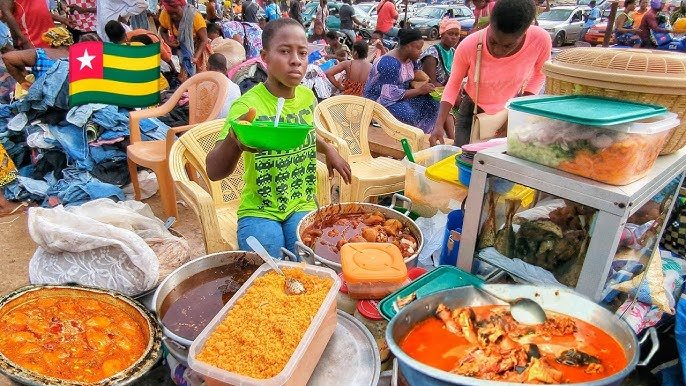
For more than a decade, African street food markets have been simmering on the peripheries of global travel consciousness. But in 2025, these vibrant food spaces have burst into the international spotlight as key cultural attractions, drawing attention not only from travel writers and culinary influencers but from millions of explorers seeking authentic, immersive experiences. What was once considered purely informal commerce has become central to how Africa narrates its cultural identity to the world.
At the heart of this shift is a global trend: gastronomy tourism—travel motivated by the pursuit of local flavors and culinary traditions. Recent industry analyses show that a growing majority of travelers research food experiences before choosing a destination, with many willing to rearrange their itineraries around markets, street stalls, and food festivals. This global appetite for culinary discovery creates an unprecedented opportunity for African markets to move from local staples to international must-visit destinations.
The iconic Balogun Market in Lagos, Nigeria, for example, ranks as the most mentioned African street food market on social media platforms, amassing more than 13,500 related posts. Its sprawling lanes overflow with grills serving suya skewers, age-old pepper soups, smoky roasted fish, and an endless variety of Nigerian staples that encapsulate West Africa’s rich culinary heritage. Social media metrics place Balogun well above other renowned markets in Africa, showcasing how digital storytelling drives real-world attraction.
In Marrakech, Jemaa el-Fna has long been an emblem of Moroccan culture. By day, this historic square hums with spice merchants and juice sellers; by night it transforms into a sensory feast of tagines, harira soup stands, grilled lamb, and sweet pastries. Global travel rankings routinely place Jemaa el-Fna among the world’s top night markets, highlighting how its food-driven energy rivals markets from Taipei to Berlin.
Across West Africa, markets such as Makola in Accra, Ghana, blend street food with broader cultural immersion. Immortalized on international food shows, Makola’s vibrant food stalls sit alongside vendors selling gari, kelewele (spicy fried plantains), and other Ghanaian delicacies, making it both a cultural institution and a flavorful destination for curious travelers.
Kenya is strategically leveraging its street food culture as part of a broader tourism push. The Nairobi Street Food Festival, now in its sixth year, showcases traditional fare—from chapati and coastal seafood to nyama choma (grilled meats)—attracting both domestic visitors and international food lovers. Tourism promoters describe the festival not just as a culinary showcase but as a platform that intertwines food with cultural performance, music, and craft sales, reinforcing food’s role in cultural storytelling.
From East to Southern Africa, markets like Kariakoo in Dar es Salaam and Oranjezicht City Farm Market in Cape Town combine local produce with global influences, attracting food tourists who seek both authenticity and innovation. Across these hubs, vendors serve up beloved regional favorites such as Ugandan rolex—a quick, affordable chapati and omelet wrap that has evolved into a national symbol of street cuisine—and South African bunny chow, a hollowed-out loaf filled with spicy curry that tells stories of adaptation and community.
Travel media have responded accordingly. International outlets now frequently feature guides to Africa’s best street food markets alongside staples like Southeast Asia’s night markets or Latin America’s food bazaars. Coverage often highlights not just the flavors but the human dimension—the market as a space where history, commerce, and daily life converge. The result is a reframing of African urban spaces as dynamic cultural ecosystems rather than merely functional trade centers.
This shift has tangible economic impact. Gastronomy tourism is now recognized as a growth sector in global travel, with projections showing rapid market expansion over the next decade. Although Africa’s share of global culinary tourism remains modest compared to Europe or Asia, the continent’s unique street food ecosystems offer a compelling competitive edge: authentic experiences that cannot be replicated elsewhere.
Yet, this rise on the world stage is not without its complexities. The influx of international attention raises questions about preservation and commercialization, as local food cultures grapple with maintaining authenticity amid growing demand. For many vendors, market exposure is both a source of livelihood and cultural expression—a delicate balance between economic opportunity and heritage integrity.
From the parched spices of Dakar’s street grills to the smoky warmth of Johannesburg’s night stalls, Africa’s street food markets are no longer hidden corners of the travel world. They are vibrant, essential chapters in the continent’s cultural narrative—places where food is memory, identity, and invitation, beckoning a global audience to taste not just meals, but history.