
Accra, Ghana — In a development economists are calling a watershed moment for Ghana’s energy sector, the state-owned Tema Oil Refinery (TOR) has resumed crude oil processing for the first time in more than six years, signaling a potential turning point in the nation’s quest for energy self-sufficiency and economic stability.
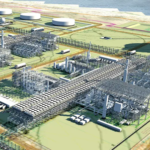
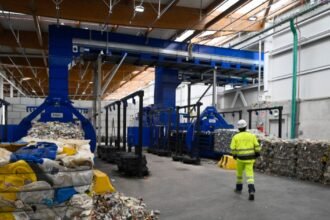
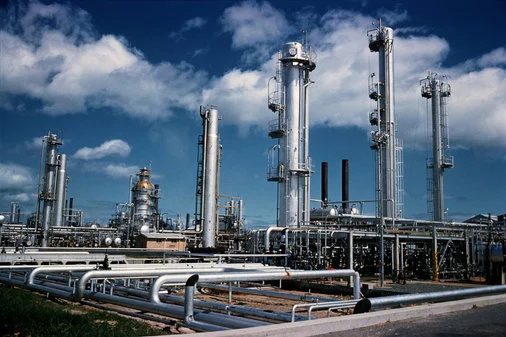
After years of dormancy marked by technical challenges, mounting debt and operational setbacks, refinery workers were seen tending to active distillation units this week, while plumes of smoke once again rose from the refinery’s stacks — visual proof that Ghana’s sole domestic refinery is being brought back from the brink.
From Idle Asset to Strategic Engine
The refurbished crude distillation unit (CDU) has begun processing petroleum, representing a first step in the facility’s phased return to full operations. Initial reports indicate the unit is operating at approximately 28,000 barrels per stream day, with plans underway to commission additional infrastructure that could lift capacity toward its design level of 45,000–55,000 barrels per day.
For Ghana — an oil-producing nation that has, paradoxically, been almost entirely reliant on imported refined fuel for years — the restart carries profound strategic value. Analysts estimate that a fully operational TOR could meet up to 60 percent of domestic fuel demand, potentially cutting the country’s annual fuel import bill by hundreds of millions of dollars and offering crucial relief to foreign exchange reserves.
Economic and Policy Context
TOR’s revival unfolds against the backdrop of broader reforms under the government’s “Resetting Ghana Agenda,” which seeks to strengthen national infrastructure and reduce external vulnerabilities in energy and other critical sectors. The refinery’s resuscitation follows targeted rehabilitation work on key processing units, pipelines and storage systems.
The facility’s prolonged shutdown had become a symbol of Ghana’s energy challenges: aging machinery, a debilitating debt burden and repeated breakdowns forced the refinery to idle, leaving the country exposed to volatile global oil prices and escalating fuel costs.
Challenges on the Road Ahead
Despite the optimism, stakeholders caution that restarting the CDU is only the first hurdle. Sustainable operations will hinge on securing consistent crude supplies, sufficient working capital, and ongoing technical upgrades — areas that previously stalled the refinery’s performance.
Last year, TOR’s management identified financial constraints and infrastructure needs as major obstacles to achieving full production, underscoring the importance of steady investment and maintenance commitments if the facility is to avoid another cycle of inactivity.
A Beacon for Regional Refining Ambitions
Ghana’s achievement resonates beyond its borders: across Africa, governments and private investors are ramping up efforts to expand domestic refining capacity as a means of boosting energy security, creating jobs and retaining value within local economies. Nigeria’s Dangote refinery, Angola’s upgrades and Uganda’s investments are part of this continental shift toward downstream processing.
For Ghana, the revitalized Tema Oil Refinery offers more than fuel; it represents a strategic infrastructure asset that, if managed effectively, could help stabilize energy markets, spur industrial activity and reduce the economic drag of fuel imports.
As the refinery transitions from testing phases to commercial operations, all eyes will be on TOR’s ability to sustain output and translate this long-anticipated restart into tangible economic gains for the country.