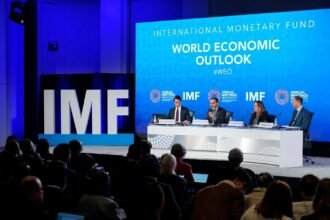

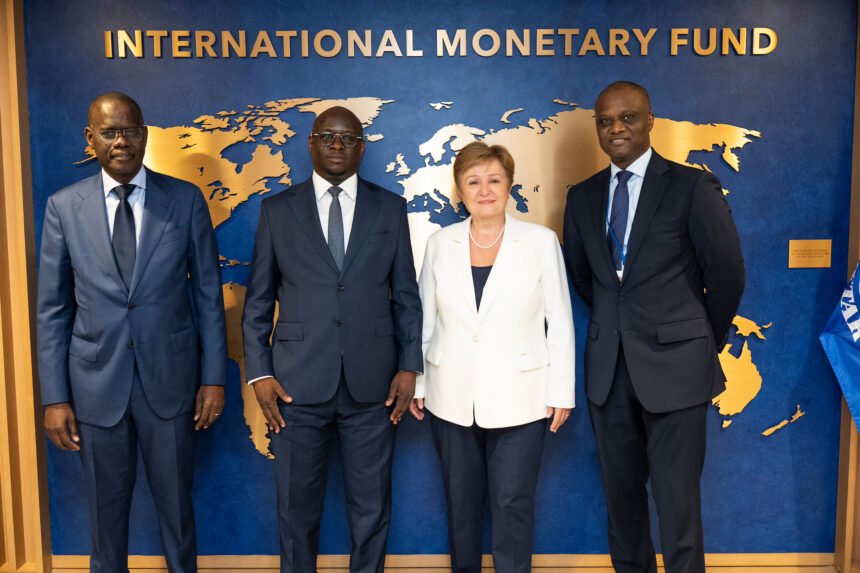
Dakar — Senegal is racing to finalise a new programme with the International Monetary Fund (IMF) amid mounting economic pressures and rising public debt, government officials said this week — a development that could reshape one of West Africa’s most strategically important economies.
Finance Minister Cheikh Diba told lawmakers that negotiations with the IMF are progressing well and that Dakar hopes to conclude an agreement “very quickly,” underscoring the urgency of securing external financial support as the country navigates a multilayered fiscal challenge.
Senegal’s public debt soared to an estimated 132 percent of GDP after auditors discovered billions of dollars in previously unreported liabilities from the prior administration — a disclosure that stunned investors and led the IMF to freeze an earlier $1.8 billion financing package in 2024.
From Data Correction to Policy Negotiations
Officials say significant progress has been achieved on core technical issues, including data correction, budgetary adjustments and public debt management — areas that had previously stalled talks. Senegal plans to host a new IMF mission team in January 2026, raising hopes for an imminent breakthrough.
“The IMF is reviewing the work we are doing with them, the proposals we have, and the instruments we have developed,” Diba told parliament, adding that finalising the programme is a pressing need to support financial stability and restore investor confidence.
The minister’s outlook contrasts with that of Prime Minister Ousmane Sonko, who has publicly criticised IMF calls for debt restructuring, describing them as unacceptable and politically fraught. Despite this internal debate, the government reaffirmed its commitment to advancing discussions with the IMF while diversifying financing tools, including potential Eurobond issuance.
Debt Challenges and Market Signals
Senegal’s debt dynamics remain a central concern for policymakers and global investors alike. The shock of revealing unreported liabilities triggered credit rating downgrades and a sell-off in sovereign debt markets, pushing the government to tap regional capital markets and domestic bond auctions to raise funding during the IMF impasse.
To rebuild confidence, Dakar is also advancing reforms aimed at modernising fiscal frameworks, strengthening transparency and improving macroeconomic data integrity — moves that the IMF has signalled it is ready to support once groundwork is complete.
A Pivotal Moment for Senegal’s Economic Trajectory
For Senegal — a linchpin of West African growth and investment — securing a new IMF programme quickly is more than a technical milestone. It could determine the nation’s ability to stabilise its economy, reduce borrowing costs, and attract much-needed foreign direct investment at a time when global financial conditions remain challenging.
As Dakar prepares for the next phase of talks and technical review, markets and policymakers across Africa will be watching closely: Senegal’s success or delay in concluding an IMF agreement may offer a template for other emerging economies grappling with debt, data integrity and the quest for sustainable growth.