

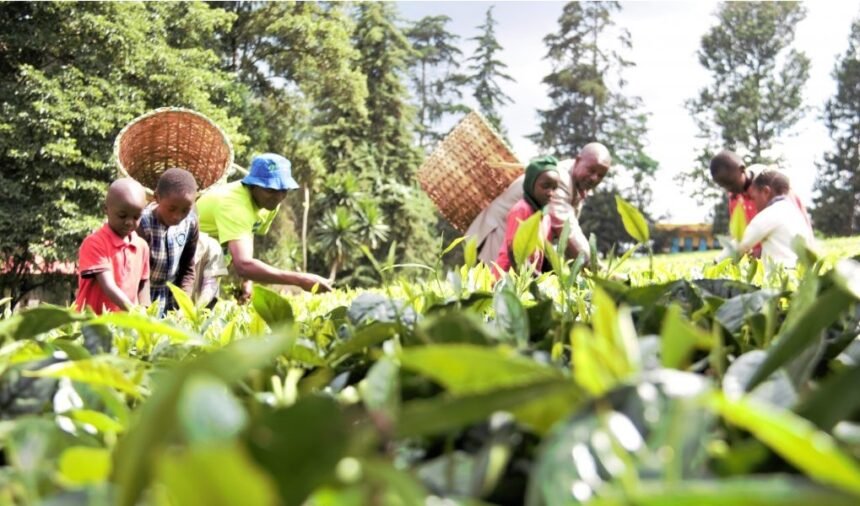
NAIROBI — Struggling to access affordable credit from banks and savings cooperatives, Kenyan farmers are increasingly turning to informal finance networks — including family, customers, and community groups — to keep their farms running and supply chains humming. This trend underscores mounting stress in the agricultural financing ecosystem at a time when rising costs and unpredictable weather are squeezing farm incomes.
The shift away from formal lenders represents a growing frustration among smallholder and commercial farmers, many of whom say banks and SACCOs have tightened lending criteria, increased collateral demands, or slowed approval processes — forcing growers to rely on more accessible, if informal, sources of capital.
Credit Crunch Hits Farm Sector
Farmers have long navigated a challenging credit landscape in Kenya, where high interest rates and stringent risk assessments often put bank loans out of reach for producers without substantial collateral or credit histories. Recent tightening by SACCOs — traditionally more accessible to farmers — has compounded the problem.
“In past seasons, we could secure a SACCO loan against our harvest or land,” said one farmer in Narok County. “Now the process takes months and the requirements are nearly impossible for smallholders.”
With planting seasons looming and input costs rising — from fertiliser to fuel — growers say the urgency to secure working capital has never been greater. “When banks say no and SACCOs delay, we have to find alternative ways or risk losing the season,” another farmer in Meru explained.
Rise of Informal Lending Networks
In response, many farmers are borrowing from family members, loyal customers, or community networks to bridge financing gaps. In some regions, customers who regularly purchase produce have begun offering advance payments, essentially frontloading revenue against future harvests.
One avocado producer in Kiambu County described how a long-time customer agreed to pay for an upcoming crop in advance — a deal that provided immediate cash flow for fertiliser and labour. “It’s not ideal,” the grower said, “but when formal lenders turn you away, you rely on the people who believe in your farm.”
Other farmers are turning to chamas — informal savings and credit groups — and rotating savings arrangements that provide small, short-term loans based on member contributions. While helpful, these often carry informal rules and social pressures that can strain relationships if repayments stall.
Broader Economic Pressures
Economists say this financing pivot reflects broader economic pressures in Kenya’s rural economy. Agriculture accounts for up to 33 percent of GDP and employs more than 70 percent of the workforce, yet farm credit penetration remains low compared to other sectors. Rising inflation and currency volatility have also pushed lenders to tighten risk appetites, leaving farmers squeezed between financial institutions and rising production costs.
“Banks are reacting to a risk environment they see as increasingly fragile,” said an agricultural economist. “But when formal finance withdraws, informal mechanisms become the only recourse — and those can be insufficient for scaling production or managing systemic shocks.”
Risk and Resilience
While family and customer loans provide short-term relief, they carry risks. Informal arrangements lack legal protections and can strain social ties if harvests fall short or markets shift unexpectedly. Farmers also miss out on tools that come with formal credit — including structured repayment plans, access to insurance, and credit scores that build future borrowing capacity.
For some agricultural cooperatives and development finance institutions, the trend signals a critical gap in credit delivery systems. Experts call for innovative lending models tailored to the realities of farm cash flows — such as harvest-linked loans, warehouse receipts financing, and digital collateral solutions — that can bridge the divide between formal finance and informal solutions.
Calls for Policy Intervention
Industry groups and farmer associations are urging the government and financial sector regulators to ease collateral requirements for agricultural loans, expand credit guarantee funds, and promote partnerships between banks and agritech platforms that can provide more granular data on farm performance and creditworthiness.
“If we want to boost productivity and food security, farmers need reliable, affordable financing — not stopgap sources,” said a representative from a national agricultural body.
Looking Ahead
As Kenya approaches another planting season, the reliance on informal credit mechanisms highlights a growing fracture in the agricultural finance system. Whether policymakers, lenders, and development partners can innovate in time to support a sector that sustains millions remains to be seen — but for many farmers today, family and customers are filling the breach left by formal finance.