
TUNIS — Tunisia’s olive oil sector — long a cornerstone of its agricultural economy — is on the brink of an historic shift as production surges to levels expected to surpass Italy’s output for the first time, offering a rare bright spot for a struggling North African economy. The surge follows a series of unusually favourable harvest seasons that have dramatically increased yields.
The surge in output reflects a combination of favourable weather conditions, expanded cultivation and improved agricultural techniques, which together have helped producers overcome longstanding challenges such as drought, market volatility and export bottlenecks. As a result, Tunisian olive oil production this year is on course to exceed Italy’s, traditionally the world’s largest producer.
A Breakthrough in Olive Oil Production
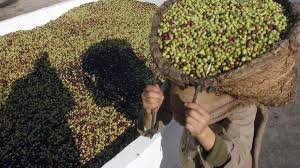
Tunisia’s olive sector is deeply woven into the country’s economic and social fabric, employing hundreds of thousands of smallholder farmers and contributing significantly to rural livelihoods. Despite years of underinvestment and climate stresses, the latest harvest has yielded volumes that could catapult Tunisia ahead of Italy in the global rankings.
This milestone comes at a critical time for the Tunisian economy, which has faced sluggish growth, currency pressures and reduced foreign exchange earnings in recent years. The olive oil boom provides a welcome revenue infusion, particularly as global demand for high-quality olive oil continues to expand in markets such as Europe, North America and the Middle East.
What’s Driving the Surge?
Several factors underpin this unexpected boon:
- Favourable weather patterns reduced crop losses and improved olive fruit set across major growing regions.
- Expanded acreage under olive cultivation, supported by government and private investments in planting and irrigation.
- Improved farming practices and post-harvest handling, which have boosted yields and oil quality.
Analysts note that this surge may not be a one-off occurrence. With increased adoption of modern agronomy techniques and stronger links to export markets, Tunisia’s olive sector could sustain higher production levels over the medium term — provided climate variability and logistical hurdles are managed effectively.
Export Markets and Economic Impact
Tunisian olive oil exports have traditionally been anchored in European markets, but this year’s bumper crop is also attracting interest from buyers in Asia and the Americas, where demand for premium olive oil has strengthened amid broader consumer shifts toward healthier diets.
For Tunisian exporters and farmers, the timing could not be more critical. The country’s foreign currency reserves have been under pressure, and increased export revenues from olive oil — one of its leading agricultural commodities — could ease balance-of-payments strains.
Challenges Remain
Despite the optimistic outlook, stakeholders caution that challenges remain. Market access barriers, quality certification processes and fluctuating global prices could temper the full economic impact of the production surge. Additionally, Tunisia must ensure that farmers receive equitable value for their increased output, especially given the concentration of production in smallholder-dominated regions.
Agricultural economists also highlight the need for longer-term support systems, including storage infrastructure, access to finance and climate-resilient farming practices to safeguard future harvests against erratic weather patterns.
A Symbol of Resilience
For many olive farmers in Tunisia’s hinterlands, this year’s record harvest is more than just a statistic — it is a symbol of resilience and a potential turning point for rural economies that have struggled with limited opportunities. As global buyers line up for Tunisian oil, the sector’s success may provide a blueprint for other agricultural subsectors in North Africa seeking to expand into competitive international markets.
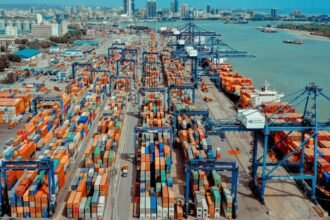
As olive oil shipments begin to move from press to port, industry watchers will be watching closely to see whether Tunisia’s breakthrough becomes a sustained advantage or a fleeting peak in its agricultural narrative.