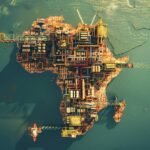

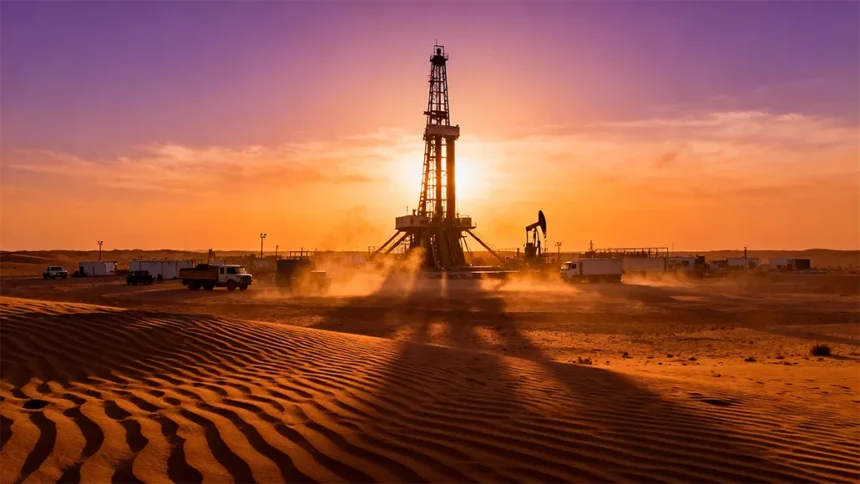
TRIPOLI — In a pivotal move poised to reshape not only Libya’s economy but the broader African oil landscape, Libya has launched its first public oil and gas exploration bidding round in more than 17 years, inviting international energy firms back to its vast upstream sector after nearly two decades of political instability and stalled investment.
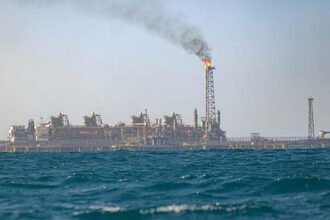
The National Oil Corporation (NOC) formally opened the bidding process in March 2025, offering 22 exploration blocks across both onshore and offshore hydrocarbon basins — including Sirte, Murzuq, and Ghadames, as well as areas in the Mediterranean — in what officials describe as a strategic effort to rekindle Libya’s energy dominance.
A Long-Awaited Return to the Upstream Arena
For nearly two decades, oil exploration licensing in Libya — Africa’s second-largest oil producer and an OPEC member — has been dormant, disrupted by persistent political conflict and intermittent shutdowns that have repeatedly derailed output and foreign investment. The last comparable round was launched in 2007/2008.
With production recently hovering around 1.4 million barrels per day (bpd) — still below the pre-2011 civil war peak of about 1.6 million bpd — Libya’s leadership sees the new bidding process as a turning point to attract capital, technology, and expertise needed to restore and expand its oil base.
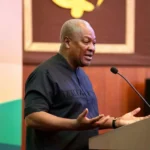
“This is a historic moment for Libya and for energy investors eyeing untapped potential,” NOC Chairman Masoud Suleiman told attendees at the launch ceremony in Tripoli. “We are opening our doors wider than ever and creating transparent frameworks for mutually beneficial partnerships.”
Global Interest and Local Stakes
According to NOC officials, dozens of international companies have already signalled interest in participating — a positive sign after years of cautious re-entry by majors. Industry insiders note that leading players like BP, Shell, TotalEnergies, Eni, and others have been evaluating opportunities in Libya, either through formal bids or feasibility studies.
The renewed global interest comes amid broader geopolitical and energy market shifts. Libya’s hydrocarbon reserves — among the largest in Africa — remain a highly attractive prospect for companies seeking diversification and growth outside traditional West African and Middle Eastern basins.
Economic Revival and Risks Ahead
Government officials contend that success in this bidding round could help raise Libya’s production closer to 2 million bpd by the late 2020s, stimulating broader economic activity and supporting fiscal stability in a country heavily reliant on oil revenues.
However, analysts caution that the path ahead is not without challenges. Political volatility, infrastructure bottlenecks, and historic rivalries over resource control continue to cast uncertainties over long-term investment commitments — a reality underscored by past production halts that cut output by more than half during factional disputes.
Nevertheless, for a nation seeking to translate its vast hydrocarbon wealth into tangible economic recovery, the rekindling of competitive exploration bidding represents both an economic opportunity and a signal to global markets that Libya is poised to reassert itself as a major player in Africa’s energy sector.