

For more than a decade, Africa’s rich tapestry of skin care traditions—rooted in indigenous knowledge, community practice, and centuries-old rituals—has been a quiet but powerful undercurrent in global beauty culture. Today, those traditions are no longer niche curiosities relegated to boutique markets; they are driving innovation across the international beauty industry, reshaping product development, brand storytelling, and consumer expectations in profound ways.
At the heart of this transformation is a reorientation of what modern consumers value in skin care: authenticity, efficacy, sustainability, and cultural connection. African skin care traditions, long centered on plant-based, indigenous ingredients and hands-on formulations, now resonate deeply with global trends toward clean beauty and nature-rooted solutions. This shift comes amid broader industry growth: analysts forecast that the global natural skin care market could reach USD 16.0 billion by 2035, nearly doubling from 2025 figures as consumers increasingly seek products with natural and ethical credentials.
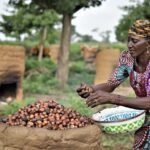
Shea butter, perhaps the most iconic African export in this space, exemplifies this evolution. Traditionally harvested and handcrafted by women’s cooperatives across West Africa, shea butter has moved from local ritual use to a staple in moisturizers, balms, and serums worldwide. Industry projections suggest the global shea butter market could hit USD 3.0 billion by 2033, underscoring its rise from artisan tradition to blockbuster ingredient.
But modern success stories increasingly emphasize African-led brands that harness heritage while innovating for international audiences. Hanahana Beauty, founded by Ghanaian-American Abena Boamah-Acheampong, is a case in point: the brand has achieved more than USD 2 million in sales, distributing its shea-butter-centric products in over 500 Ulta Beauty stores globally. Its success reflects both a business triumph and a cultural exchange, turning locally sourced African ingredients into mainstream global products.
This momentum isn’t confined to shea alone. A burgeoning A-Beauty movement—a term invoking African beauty traditions as analogues to Korean “K-Beauty”—has emerged around botanicals like baobab seed oil, safou oil, and marula oil, all of which have deep roots in traditional African skin care practices. These ingredients are prized for their antioxidant properties, rich nutrient profiles, and suitability for diverse skin types, driving interest from both indie and established beauty houses.
Major global retailers and beauty platforms are now showcasing African botanical-rooted brands alongside mainstream offerings. Products harnessing African oils and extracts are featured in clean-beauty boutiques and luxury retailers such as Credo Beauty, Anthropologie, Space NK and even large e-commerce channels like Amazon. This distribution breadth signals a shift: African-inspired skincare is no longer a fringe category but a compelling mainstream contender.
Crucially, many of the brands riding this wave are led by female founders deeply connected to their cultural heritage. Their stories amplify the narrative that beauty is not merely about cosmetics but about identity, empowerment, and community. For example, brands like R&R Luxury in Ghana emphasize ethical sourcing and empowerment of rural women workers, while Arami Essentials uses West African botanicals in minimalist formulations designed to fit into contemporary global skincare routines.
Yet this rapid ascent also raises important conversations about equity and agency. African producers who have traditionally harvested raw materials, especially women working in cooperatives, often remain invisible in the branding of global products. Critics argue that the industry must do more than adopt indigenous ingredients; it must also ensure that the communities from which those ingredients originate benefit equitably from their commercialization.
Despite these challenges, what is undeniable is that African skincare traditions have evolved from local rituals to global standards. Ingredients once applied by grandmothers in village courtyards are now studied in labs and celebrated on beauty editors’ lists worldwide. The rise of Africa-rooted brands—handcrafted yet globally distributed—signals a broader change in beauty culture: a movement toward authenticity, diversity, and recognition of centuries-old wisdom.
In this dynamic landscape, Africa’s voice in global beauty is no longer just a whisper. It is a defining part of the conversation, influencing how we think about skin, self-care, and the stories we tell about beauty in the 21st century.