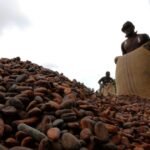

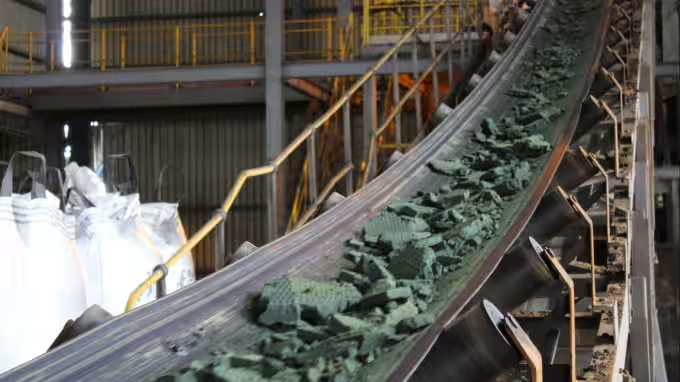
KINSHASA — After nearly a year off the global market, the Democratic Republic of Congo (DRC) has formally resumed exports of cobalt, the critical mineral at the heart of lithium-ion batteries and the electric vehicle revolution. The move marks a dramatic reversal from an export ban first imposed in February 2025 and underscores Kinshasa’s evolving strategy to exert greater control over its mineral wealth while stabilising prices for a commodity that underpins the green transition.
The cabinet of President Félix-Antoine Tshisekedi officially lifted the ban on shipments this month, allowing producers to start moving cobalt out of the country once more under a quota-based regime established in mid-October. This new framework replaces a near ten-month standstill that had tightened supply to global markets and contributed to a rebound in prices from multi-year lows earlier in the year.
From Freeze to Quotas: A Market Reinvention
The export halt was originally introduced in February 2025 as Congo sought to stem falling cobalt prices caused by global oversupply, particularly from large-scale production in Asia. The government argued that, despite accounting for the majority of world cobalt output, the country was unable to influence pricing dynamics that were eroding state revenue. By pausing exports, Kinshasa aimed to tighten supply and catalyse a rebound in value for a resource that fuels smartphones, electric cars and other battery-dependent technologies.
While the ban succeeded in supporting prices — which climbed significantly from earlier lows — it also disrupted global supply chains and sparked concern among manufacturers dependent on Congolese cobalt. In response, the government crafted a quota system designed to balance market stability with the need to reintroduce Congo’s output to buyers worldwide. Under this system, annual export volumes are capped, with a modest allotment set for the remainder of 2025 and higher thresholds projected for 2026 and beyond.
Quota System: Managed Supply Over Open Markets
The quota regime assigns specific export volumes to producers based on historical export levels. Authorities have indicated that only a fraction of the DRC’s previous shipments will be permitted during the closing months of 2025, with caps rising substantially thereafter. A portion of annual quotas is also reserved for strategic national use, reflecting Kinshasa’s ambition to leverage cobalt beyond raw sales.
Major mining companies operating in the DRC — including Chinese-linked CMOC and commodity giant Glencore — have received allocations under this new framework, though some producers have expressed frustration over administrative complexities tied to the quotas and export approval processes. Local industry groups have called for urgent dialogue with regulators to clarify procedures, highlighting ongoing operational challenges even as shipments resume.
Global Impact: Prices, Supply Chains and Strategic Leverage
Analysts say the DRC’s calibrated return to the market will sustain upward pressure on cobalt prices by restricting volumes relative to pre-ban levels. Though the cobalt supply chain had begun rebounding through stock draws and alternative sourcing, the resumption of Congolese exports will provide much–needed relief to battery manufacturers — albeit under tighter controls.
Industry participants caution that transport and administrative delays could persist as miners and regulators adapt to the new export regime, potentially delaying actual shipments for weeks after official policy changes.
A Strategic Pivot With Broader Implications
For Kinshasa, the move underscores an ongoing effort to capture greater value from its mineral endowment and to shape global commodity markets rather than merely respond to them. Control over cobalt exports — a resource critical to the global energy transition — provides the DRC with leverage that extends well beyond Africa.
As the world’s dominant cobalt producer returns to the export arena under a new order, stakeholders from battery makers to automotive manufacturers will be watching closely to see how this strategic pivot influences both market dynamics and long-term supply reliability. For the DRC, the recalibrated approach to cobalt exports is as much about economic sovereignty as it is about aligning national interests with the evolving demands of a resource-hungry global energy economy.