
In a striking shift that’s redefining Africa’s energy future, Gulf-based companies are not just participating in the continent’s renewable energy boom — they’re leading it. With strategic capital, sprawling utility-scale projects, and a network of partnerships spanning from North Africa to Sub-Saharan markets, Gulf investors are rapidly cementing themselves as dominant forces across Africa’s renewables sector.
According to UAE government figures, Emirati investors channelled roughly $70 billion of their $110 billion total investment into Africa between 2019 and 2023 directly into renewable energy and green infrastructure — dwarfing other external financiers.
“The UAE is opening its arms everywhere,” said Hussain Al Nowais, chairman of AMEA Power, reflecting a broader Gulf strategy to combine capital firepower with Africa’s urgent demand for reliable, low-carbon electricity.
Megaprojects and Market Penetration
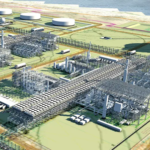
Gulf champions like UAE-based AMEA Power have leveraged early entrants’ advantage to grow from small-scale solar installations into gigawatt-scale renewable facilities — most notably a massive solar and battery project in Egypt’s Aswan Governate projected to deliver 1 GW of solar energy with 600 MWh of battery storage.
Saudi Arabia’s ACWA Power, another heavyweight, is executing multi-billion-dollar wind and solar portfolios in Morocco, Egypt, and South Africa — markets with the grid infrastructure and regulatory frameworks that enable scale.
Meanwhile, Abu Dhabi’s Masdar is expanding its footprint across varied frontier markets, from Senegal to Seychelles, with a target to deploy 10 GW of renewable generation capacity by 2030 — backed by roughly $10 billion in financing.
This breadth contrasts with more traditional foreign investors, who often stick to singular technologies or countries. Gulf capital isn’t just financing plants — it’s shaping energy ecosystems, from utility-scale generation to distributed off-grid solutions.
Finance: Source of Competitive Edge
Africa’s policymakers — including presidents and energy ministers — have made high-profile appearances at events like Abu Dhabi Sustainability Week, signaling recognition of the Gulf’s role not just as a financier, but as a strategic partner in energy transition dialogues.
Infrastructure investment platforms such as Africa50 report a marked uptick in conversations with Gulf investors over the past three to four years, reflecting a shift in where developers look first for project capital. Gulf sovereign wealth funds and investment authorities — from Saudi Arabia’s Public Investment Fund to the Abu Dhabi Investment Authority — are now core players in blended finance structures that balance risk with commercial returns.
Beyond Big Plants: Distributed Energy & Inclusion
Not all Gulf involvement is in centralized megaprojects. Companies like Ignite Energy Access — based in Abu Dhabi after relocating from Mauritius — focus on distributed renewable solutions to connect rural homes and small businesses that remain off the main grid. With low-cost, pay-as-you-go systems costing as little as $1 per month, Ignite aims to connect 100 million people by 2030, making it one of the most ambitious initiatives targeting energy access from the bottom up.
Strategic Implications for Africa’s Energy Landscape
Gulf dominance in African renewables isn’t merely an investment trend; it’s shaping geopolitics. These flows of capital and expertise are giving African nations alternatives to traditional Western development finance, injecting competition into how power markets are structured and financed across the continent.