

In a transformative milestone for Africa’s digital payments landscape, Mastercard has announced a 45 percent expansion of its acceptance network across the continent in 2025, significantly accelerating the integration of consumers and small businesses into Africa’s rapidly evolving digital economy. This strategic push reflects not only technological innovation but also a broader shift toward financial inclusion and economic opportunity in markets long underserved by digital infrastructure.
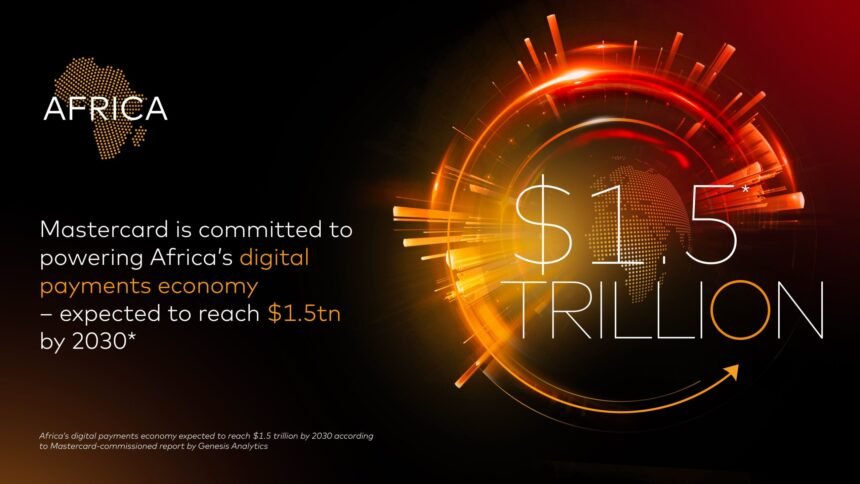
The expansion—accomplished through new market entries, enhanced products, and deepened regional engagement—comes amid projections that Africa’s digital payments industry could reach $1.5 trillion by 2030. Such figures underscore the continent’s potential to leapfrog traditional banking systems and embed digital transaction mechanisms directly into everyday commerce.
Deepening Presence Across Africa
Mastercard’s strategy in 2025 was defined by a multi-pronged approach: opening new offices in Ghana, Uganda, and Mauritius, expanding teams by nearly 20 percent across Africa, and co-creating solutions tailored to local needs. These investments aim both to enhance operational capabilities and to foster innovation that directly benefits African businesses and consumers.
Complementing physical presence was a suite of digital infrastructure upgrades, including improvements in tokenization, digital identity systems, and virtual card services, bolstering security and convenience for both online and in-person payments. These enhancements are designed to build trust in digital transactions, a key factor in driving broader adoption across diverse markets.
Small Businesses at the Forefront
Small and medium-sized enterprises (SMEs)—the backbone of many African economies—are central to Mastercard’s expansion strategy. With consumer spending forecasted to rise in key markets such as Kenya (4 percent), Morocco (3.4 percent), Nigeria (6 percent), and South Africa (1.9 percent), demand for digital payment tools has surged.
To meet this demand, Mastercard has rolled out a range of solutions, including tap-on-phone technology, QR-based payments, the Mastercard Payment Gateway System (MPGS), and business payment control capabilities that support virtual card issuance. These tools help SMEs streamline payments, enhance security, and unlock access to credit—critical components for scaling operations in an increasingly digital marketplace.
Across the continent, Mastercard’s collaborations have already yielded tangible impact:
In South Africa, partnerships with financial institutions are enhancing inclusion and addressing credit access challenges for thousands of SMEs.
In Morocco, a co-developed Digital Marketplace benefits more than 2.3 million artisans, offering a digital platform for commerce.
In Nigeria, new QR-on-Card solutions and USD-denominated cards support 1.8 million SMEs and gig workers with seamless payment acceptance and cross-border trade capabilities.
In Kenya, Mauritius, and Tanzania, partnerships with major banks have empowered over 200,000 SMEs with digital payment solutions.
Bridging Gaps in Underserved Communities
Beyond urban centers, Mastercard is advancing financial inclusion in remote areas through Community Pass, a social enterprise initiative that digitizes and connects rural populations to services provided by governments, NGOs, and the private sector. To date, the platform has reached 1.2 million smallholder farmers in Uganda, and the company aims to register 15 million users across Africa over the next five years.
Under the Mobilizing Access to the Digital Economy (MADE) Alliance, Mastercard and its partners are targeting 100 million individuals and businesses by 2034 with expanded digital services. Early efforts in Kenya include affordable high-speed internet and digital training for agricultural cooperatives and the digitization of farmer profiles through the Farm Pass initiative.
Looking Ahead: AI and the Next Frontier
Leaders at Mastercard maintain that 2025 marked a defining chapter in their Africa strategy, but the company is already looking toward the future. Technologies such as artificial intelligence (AI) and agentic commerce are expected to shape the next era of digital transactions—with Africa’s AI market projected to reach $16.5 billion by 2030.
As Mastercard continues to iterate its offerings and expand its footprint, the broader narrative emerging from Africa’s digital economy is one of accelerated inclusion, technological innovation, and strengthened commercial ecosystems. For millions of consumers and businesses across the continent, the shift toward digital payments represents not just convenience, but a gateway to economic participation and growth.