

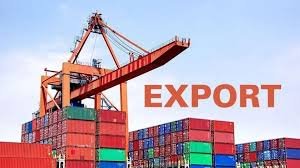
Abuja, Nigeria — Nigeria’s non-oil trade achieved a remarkable milestone in 2025, with export earnings reaching a record $6.1 billion — the highest value since formal tracking began — underscoring concrete progress in the country’s long-term economic diversification strategy.
The Nigerian Export Promotion Council (NEPC) announced the figures on Monday during its annual briefing in Abuja, revealing that the non-oil sector grew by 11.5 per cent over the $5.46 billion recorded in 2024.
“This performance not only shatters previous records but showcases the resilience and expanding global relevance of Nigeria’s non-oil exports,” said Nonye Ayeni, Executive Director and CEO of NEPC.
Diverse Markets and Growing Volumes
The uptick in export value was paralleled by a 10 per cent rise in export volumes, with total shipments reaching 8.02 million metric tonnes compared with 7.29 million in the previous year.
Nigeria now ships 281 distinct non-oil products to 120 countries, a vivid sign of expanded market reach and diversified sales channels.
Top destinations by value included the Netherlands, accounting for 17.5 per cent of total export earnings, followed by Brazil and India, reflecting a widening web of trade relationships beyond traditional partners.
Agriculture and Value Addition in the Lead
Agricultural commodities and processed goods were central to the export boom. Key contributors included cocoa and its derivatives, sesame seeds, cashew nuts, fertilizers like urea, solid minerals, rubber, and industrial metals — all pointing to an increasingly diversified export basket.
Analysts note that this performance signals value addition along agricultural value chains and stronger participation from local manufacturing sectors, helping reduce reliance on crude oil revenues that have historically dominated Nigeria’s foreign-exchange earnings.
Policy Momentum and Structural Challenges
The NEPC and government stakeholders attribute the growth to proactive policies that improve documentation, enhance export competitiveness, and facilitate easier access to global markets. Supportive frameworks under the current administration’s economic renewal agenda have been credited with creating an environment where exporters can thrive.
However, officials also highlighted lingering challenges. A significant portion of trade still happens through informal channels — particularly across land borders — which, if better integrated into formal statistics, could further amplify the sector’s recorded contribution.
Within West Africa, non-oil exports reached 11 ECOWAS member states, though total export value to the sub-region softened slightly due to shifts in regional alignments and border policies.
Implications for Nigeria’s Economic Future
The $6.1 billion performance not only represents a pivotal achievement for Nigeria’s non-oil sector but also reinforces the strategic imperative of economic diversification — a shift that regional economists have long advocated to buffer the economy against oil price volatility and strengthen resilience to external shocks.
With record export volumes and expanding global market penetration, the non-oil trade sector is increasingly positioning Nigeria as a more competitive player in international commerce — a narrative welcomed by business leaders and investors alike as the country navigates new frontiers of sustainable growth and integration within global value chains.