
DAR ES SALAAM — In a decisive move to address long-standing urban congestion and infrastructure decay, the Tanzanian government has approved a 900 billion/- (approximately $380 million) allocation to upgrade key roads, bridges and transport links in Dar es Salaam, the East African nation’s economic powerhouse. The investment marks one of the most ambitious urban infrastructure undertakings in recent memory, aimed at unlocking smoother mobility and supporting sustained business activity in the region.
The announcement was made December 31, 2025, by Dar es Salaam Regional Commissioner Albert Chalamila, who stressed that improved transport networks were crucial to keeping the city’s bustling economy competitive and ensuring reliable access to essential services for communities across the metropolitan area.
Tackling Chronic Congestion and Flooding
Dar es Salaam’s rapid population growth over the past decade has put enormous pressure on infrastructure. Roads that were designed for far fewer vehicles now bear daily traffic that routinely grinds to a halt during peak hours. Seasonal rains compound the problem, flooding low-lying arterial roads and isolating neighborhoods, undermining business productivity and mobility.
Commissioner Chalamila outlined how the 900 bn/- injection will be strategically deployed to address critical chokepoints, including:
- Reconstruction and widening of major feeder roads linking outlying districts to the city centre;
- Strengthening bridges and drainage systems to withstand heavy seasonal rains; and
- Upgrading key corridors that serve as lifelines for freight and commuter traffic.
“These investments are not just about concrete and asphalt,” Chalamila said. “They are about economic inclusion, safety, and opportunity for every resident of Dar es Salaam.”
Strategic Bridges and Major Road Projects
Officials highlighted several priority projects already underway:
- The Jangwani Bridge expansion, a critical link between central districts and outlying suburbs;
- The Kigogo and Mkwajuni bridges, designed to improve resilience during the rainy season; and
- Widening of Kongowe Road, a crucial east-western artery that has drawn frequent complaints from commuters for its narrow lanes and accident rates.
Local contractor data indicates that 21 contracts have been signed to construct 158 kilometres of road, with progress ranging from foundational work to near-completion on some segments. These efforts are part of the broader Dar es Salaam Metropolitan Development Project Phase II (DMDP II), a multi-year initiative to modernize the city’s transport infrastructure.
Economic and Social Impact
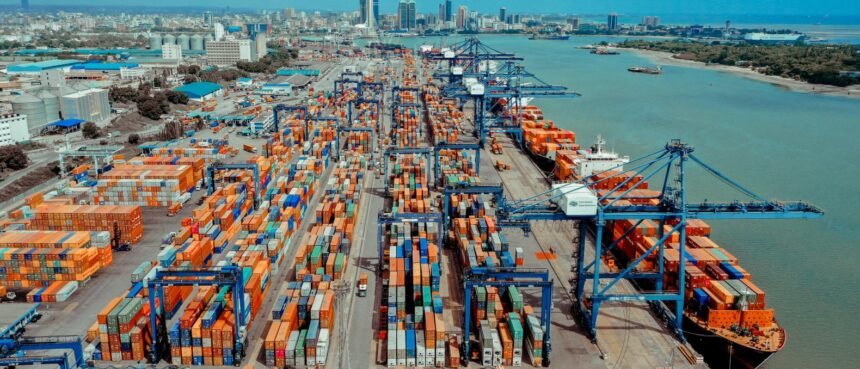
Dar es Salaam is Tanzania’s commercial heart, home to the Port of Dar es Salaam — a vital gateway for regional trade — and the headquarters of numerous local and multinational companies. Congestion and poor road conditions have historically increased logistics costs, slowed goods movement and discouraged investment in peripheral districts.
By improving transport efficiency, the government expects to catalyze a range of positive outcomes:
- Reduced travel times for commuters and freight haulers;
- Improved access to jobs and social services for residents;
- Greater appeal for foreign and domestic investors eyeing East Africa’s largest city economy; and
- Enhanced disaster resilience, particularly against seasonal flooding.
Economists note that infrastructure upgrades often generate spillover benefits, including job creation during construction phases and enduring gains in productivity as goods and services move more swiftly. Urban planners also suggest that better roads reduce vehicle wear and tear and lower fuel costs for both businesses and households.
A Broader National Agenda
Tanzania’s move aligns with a wider government agenda to strengthen national infrastructure and support economic diversification. In recent years, the administration in Dodoma has emphasized regional connectivity, investment in renewable energy, and digital transformation as pillars of long-term growth strategy. Enhancing Dar es Salaam’s transport backbone dovetails with these priorities by facilitating trade corridors and expanding the city’s economic footprint across the East African Community.
Looking Ahead
As the infrastructure works proceed in 2026 and beyond, stakeholders from the private sector and urban communities are watching closely. The effectiveness of these investments will likely influence perceptions of Tanzania’s business climate and its ability to deliver on promises of inclusive urban transformation. For Dar es Salaam’s residents — who endure daily gridlock and seasonal disruptions — the upgrades offer a tangible promise of relief and opportunity.
In the coming months, project milestones are expected to roll out incrementally — an important test of capacity as Tanzania navigates complex financing, operational and logistical challenges inherent in mega-scale urban infrastructure development.