

KAMPALA — Uganda’s opposition candidate has stirred the political and economic landscape ahead of next week’s national elections by pledging to review existing oil contracts with international energy firms should he take office — a move that could reverberate through the country’s nascent petroleum sector and investor community.
The statement underscores rising public scrutiny of how Uganda’s oil wealth should be managed, and reflects broader debates across Africa about balancing national interests with the need to attract foreign capital for large-scale resource development.
A Bold Campaign Promise on Oil Contracts
In a campaign event on January 8, 2026, the opposition candidate — a prominent figure challenging the incumbent — vowed that if elected he would subject Uganda’s existing oil agreements to rigorous review, potentially reopening terms struck with major global energy players. “The people of Uganda must benefit fairly from our natural resources,” the candidate asserted, framing his pledge as one of economic justice and sovereign control.
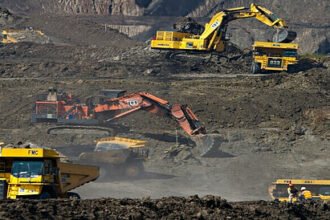
Uganda — which is developing commercial oil production in the Lake Albert basin with partners including TotalEnergies and CNOOC — has long touted its petroleum potential as a future engine of growth. Yet commercial output has been delayed by infrastructure bottlenecks, financing challenges and rising global energy transition pressures.
Investor Concerns and Market Signals
The opposition’s remarks triggered immediate reactions from investors and industry watchers. Financial markets in the region saw modest risk repricing in energy-linked stocks, while analysts cautioned that reviewing contracts mid-cycle can undermine investor confidence unless handled transparently and within legal norms.
A strategist covering African energy markets noted: “Contract sanctity is a foundational investment principle. Any perceived shift in that can impact financing costs and project timelines.” Investors typically seek predictability in fiscal terms, cost-recovery mechanisms and revenue-sharing arrangements, particularly in capital-intensive sectors like oil and gas.
Balancing Sovereignty and Development
Supporters of the candidate argue that closer examination of the agreements could yield better terms for Uganda, potentially enhancing local content, fiscal take and community benefits. Some civil society groups have long campaigned for greater transparency and more equitable distribution of resource rents, suggesting current contracts may favour multinational firms over host communities.
Critics, however, warn that revisiting complex contracts at a late development stage carries risks — including litigation, arbitration and project delays — which could stall Uganda’s broader economic ambitions tied to oil revenues. Uganda has already invested heavily in preparing for production, including development of the Tilenga oil field and associated drilling infrastructure.
Political Dynamics and Energy Policy
The petroleum sector has become a central theme in this year’s election discourse, reflecting broader voter concerns about job creation, environmental protection and equitable growth. With the energy transition accelerating globally, Uganda’s leadership contest is tapping into public sentiment about how best to steward a finite resource in a changing world.
A political analyst commented that the pledge to review oil contracts could resonate with young and rural voters who feel left behind by traditional extractive economies. But whether it translates into votes — and how markets will react should it be implemented — remains to be seen.
What Comes Next
With elections just days away, the pledge adds a new layer of complexity to Uganda’s already competitive political landscape. Energy sector stakeholders — from government officials to international investors — will be watching closely to assess how this promise may influence policy and negotiations post-election.
If the opposition candidate secures victory, the timeline and scope of a contract review could become one of the defining early tests of his administration’s approach to economic diplomacy, resource governance and investor engagement — with implications not just for Uganda, but for Africa’s broader dialogue on resource sovereignty and economic development.