

Strategic Investment Expected to Elevate Healthcare Quality and Sustainability from 2026–2030
In a landmark commitment poised to redefine Zambia’s health landscape, the United States government has announced a five-year, $1.5 billion investment aimed at fortifying the nation’s healthcare system. The initiative, scheduled to begin in April 2026, represents one of the most significant bilateral health partnerships between Lusaka and Washington in recent history.
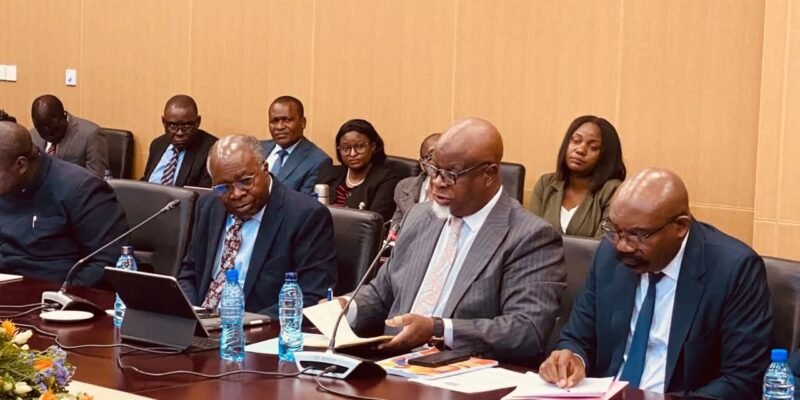
Speaking at a high-level meeting in Lusaka with members of the U.S. Global Health Security and Diplomacy Team, Zambia’s Health Minister, Dr. Elijah Muchima, described the forthcoming Memorandum of Understanding (MoU) as a “strategic partnership” that builds on decades of cooperation in the fight against HIV, tuberculosis (TB), and malaria.
“Zambia is one of just 16 African nations selected for this partnership, reflecting both our progress and potential,” Dr. Muchima said, noting the United States’ role as the largest external contributor to Zambia’s health programmes for years.
Beyond Numbers: Structural Health System Upgrades
Unlike short-term aid, this five-year framework is designed to deliver systemic transformation by directly addressing persistent gaps:
- Workforce Strengthening: Expanded recruitment and training of health professionals, especially in underserved rural areas.
- Laboratory and Diagnostics Expansion: Modernizing national lab networks to accelerate disease detection and outbreak response.
- Maternal and Child Health: Enhanced services targeting maternal mortality and childhood disease prevention.
- Outbreak Preparedness: Investment in surveillance systems to safeguard communities from emerging health threats.
- Supply Chain and Infrastructure: Overhaul of medicine distribution systems and facility upgrades, including electrification and digital capacity.
This structure marks a deliberate shift from episodic funding toward long-term health system resilience — a goal underscored by health advocates across Zambia.
Why this matters: For Zambia, the infusion of capital and expertise offers a rare opportunity to leapfrog longstanding challenges in health service delivery and create a model for sustainable, locally anchored care that delivers measurable results for patients and communities alike.