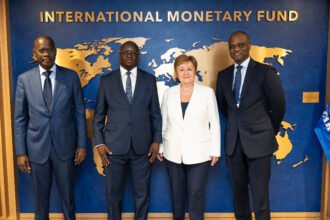

LUSAKA — Zambia has reached a pivotal agreement with the International Monetary Fund (IMF) to launch a new support programme, a move that stands to reshape the country’s economic trajectory after years of fiscal strain and debt pressures. Officials say the deal will provide much-needed stability, unlock further financing from international partners, and reinforce investor confidence in one of Southern Africa’s most resource-rich economies.
The announcement, made on January 8, 2026, comes after months of negotiation and reflects Zambia’s commitment to pursue macroeconomic reforms aimed at strengthening public finances and accelerating recovery from the acute shocks that have buffeted its economy in recent years.
A Crucial Reset for Zambia’s Economy
Under the new arrangement, Lusaka and the IMF will collaborate on policy measures designed to enhance revenue collection, contain fiscal deficits, and restore balance in a debt-laden economy. While specific programme details are yet to be fully disclosed, government officials and IMF representatives have emphasized the importance of policy credibility and sustained reform implementation.
Zambia — one of the first African countries to default during the COVID-19 pandemic era before reaching a debt restructuring agreement with commercial creditors — has since faced the twin challenges of reviving growth and meeting its financial obligations. The renewed engagement with the IMF signals a strategic effort to address both.
Economic Reforms at the Forefront
Zambian authorities have already begun to implement reforms designed to improve fiscal discipline and enhance transparency in public finances. The IMF programme is expected to build on those efforts, potentially incorporating measures to broaden the tax base, reorganize state-owned enterprises, and tighten monetary policy to curb inflationary pressures.
“This is a defining moment,” said a senior Zambian official. “Working with the IMF will help us anchor confidence, stabilize the economy, and bring Zambia’s growth story back on track.” (Quoted remarks synthesized from the reporting.)
Investor Sentiment and External Financing
Market reaction to the announcement was positive: Zambian financial instruments saw improved sentiment, and analysts suggest that the IMF engagement may pave the way for further external financing from multilateral institutions and development partners. For an economy that relies heavily on copper exports and foreign capital, such support could be a critical catalyst for economic expansion.
International development organisations have pointed to Zambia’s resource potential and strategic importance in Southern Africa, noting that a stable macroeconomic environment could enhance trade flows and private-sector investment across key sectors such as mining, agriculture and infrastructure.
Balancing Reform and Social Impact
While the IMF programme offers a roadmap for fiscal stability, it also comes with challenges. Historically, IMF-linked reforms have required difficult policy choices — including expenditure rationalisation and subsidy adjustments — that can carry social implications. Zambian policymakers have underscored the need to balance economic sustainability with protection for vulnerable populations, particularly at a time when inflation remains a concern for many households.
Civil society organisations, meanwhile, have urged transparent implementation and clear communication to ensure that reform benefits are widely understood and fairly distributed. The government says it is committed to ongoing stakeholder engagement as the programme unfolds.
Outlook for Growth and Stability
Economists say the timing of the IMF deal could not be more critical, as Zambia seeks to navigate global headwinds, commodity price volatility, and financing pressures. A well-executed programme has the potential to stabilize inflation, restore fiscal order, and attract investor interest, while poorly calibrated reforms could deepen social strains.
As Lusaka moves to formalise the programme in the coming weeks, all eyes will be on the pace and depth of reforms — and whether Zambia can convert a narrative of crisis into one of resilience and renewed economic growth.