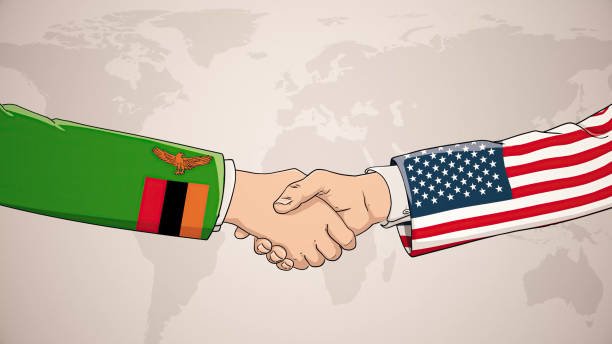

In a sweeping move that has reverberated across continents, the United States government’s expanded visa and travel ban is poised to impose far-reaching economic and social consequences on many African nations. Though framed by the U.S. administration as a national-security measure, analysts warn the policy could disrupt economic growth, weaken key industries reliant on human capital, and strain diplomatic ties with the African continent.
Expanded Ban Brings Africa to the Forefront
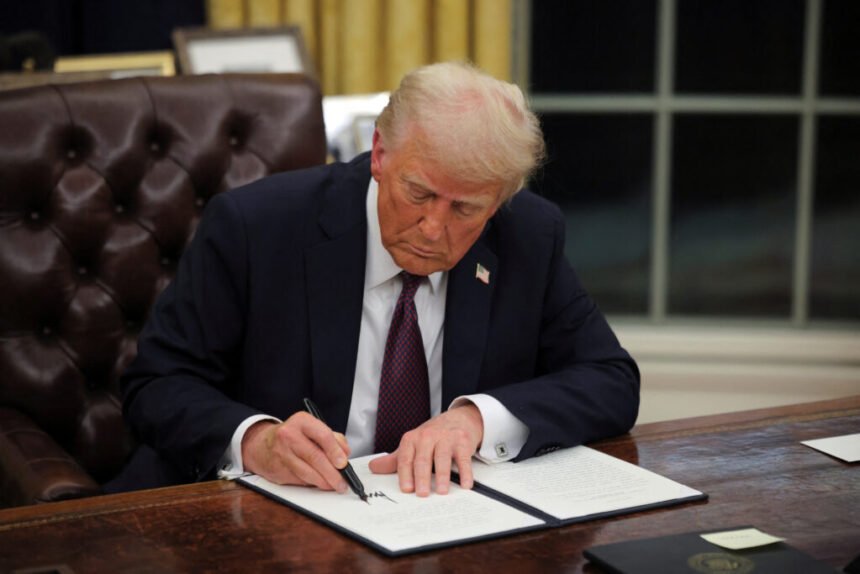
On December 16, 2025, the White House issued a new presidential proclamation broadening U.S. travel restrictions on foreign nationals, adding seven countries to its full travel ban list and imposing partial restrictions on 15 others. Four of the newly fully banned countries — Burkina Faso, Mali, Niger, and South Sudan — are in Africa, while a host of others including Nigeria, Ivory Coast, Senegal, Zambia, and Zimbabwe face partial restrictions on immigrant and multiple non-immigrant visa categories. The measures are scheduled to take effect on January 1, 2026. The White House+1
According to the White House fact sheet, these restrictions suspend the issuance of most immigrant and many non-immigrant visas for affected nationalities, with limited exceptions for lawful permanent residents, diplomatic officials, and certain classes of entrants
Economic Impacts: Remittances, Labor Flows, and Investment
For many African economies, ties to the U.S. go far beyond diplomacy. Remittances from Africans living in the United States constitute critical inflows that support households, local spending, and foreign exchange reserves. For example, remittances from Nigerians in the United States reached over $6 billion in recent years, accounting for a significant share of national income and household consumption. Wikipedia
By restricting visas, the ban directly affects the ability of African migrants to travel, work, invest, and send money home. Without robust legal channels for labor mobility, economies that depend on foreign income and diaspora investment risk stagnation. The American Immigration Council has documented that, in the U.S., households led by recent arrivals from affected countries earned more than $3.2 billion and contributed over $715 million in taxes, underpinning local economies. American Immigration Council
Beyond remittances, the ban threatens commerce and labor markets: foreign nationals contribute to sectors like healthcare, construction, and agriculture, helping mitigate skill gaps and labor shortages. American Immigration Council analysis warns that restricting migration could exacerbate these shortages and raise costs in key industries — a dynamic with knock-on effects for African business engagement and bilateral trade. American Immigration Council
Human Capital and Educational Linkages at Risk
One of the most immediate, yet under-appreciated, impacts is on human capital development. African students and professionals benefit from U.S. educational and exchange programs, driving skills development that often translates into economic growth back home. Under the expanded ban, many will face barriers to studying, interning, or training in the United States, eroding channels that historically contributed to knowledge transfer and workforce capacity in sectors such as engineering, medicine, and technology. WBOC TV
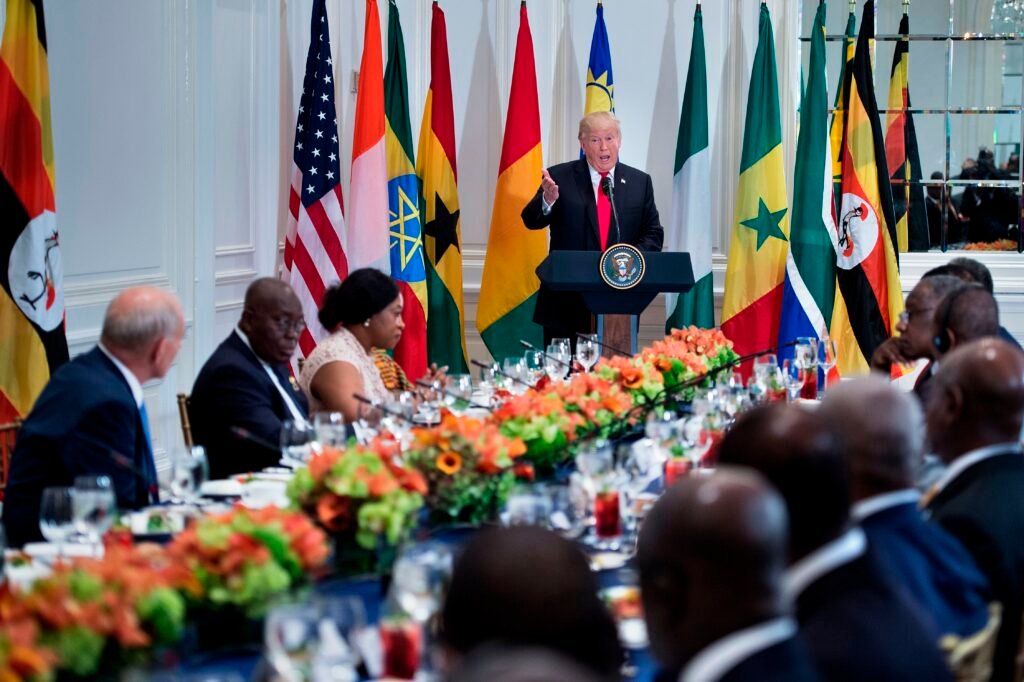
The African Union — representing 55 nations — has publicly expressed concern that these restrictions could damage people-to-people ties, educational exchanges, and commercial engagement that have been cultivated over decades.
Diplomatic and Strategic Consequences
While reactions among African leaders have been relatively muted, diplomatic unease is evident. Several governments have called for constructive dialogue with Washington, emphasizing the tensions the ban introduces into bilateral relations. Sierra Leone, now fully listed under the ban, has sought to engage U.S. authorities to reassess the decision. WBOC TV
Critics argue the policy could drive African states to deepen strategic partnerships with global powers such as China and Russia, potentially diminishing U.S. influence on the continent. Analysts warn that aligning too closely with exclusionary immigration policies risks fracturing long-established cooperation frameworks in trade, security, and multilateral diplomacy.
Macroeconomic Outlook: A Mixed Picture
Economists are divided on the short-term versus long-term effects. In the short term, disruptions to visa issuance may depress travel, student mobility, and bilateral investment flows. Over the long term, diminished U.S.–Africa ties could translate into lost opportunities for infrastructure finance, technology transfers, and workforce development.
In a broader context, similar policies in the past correlated with drops in university enrollments from affected countries and slowed growth in educational exports — valuable sectors for both the U.S. and African economies.
Looking Ahead
Whether the United States and African governments can reconcile security priorities with economic partnership objectives remains a central question. Immediate solutions may involve targeted diplomatic engagements, reassessment of vetting and documentation cooperation, and mechanisms to preserve vital channels such as education and remittances.
As the world enters 2026, the expanded travel ban’s lasting imprint on the African economic landscape will be closely watched by analysts, policymakers, and investors on both sides of the Atlantic.