
Rabat, Morocco — January 17, 2026 — Morocco’s tourism sector has surged to unprecedented heights, smashing records and redefining the kingdom’s role as a cornerstone of Africa’s travel economy. Data released this month show that Morocco welcomed 19.8 million tourists in 2025, a 14 % increase over the previous year, marking the strongest performance in the sector’s history.
The figures, published by the Ministry of Tourism, Handicrafts and Social and Solidarity Economy, confirm a trend of accelerated growth that has extended throughout the year. By the end of November 2025, Morocco had already recorded 18 million arrivals, surpassing the full-year totals of previous years and positioning the kingdom as one of Africa’s most dynamic and globally competitive destinations.
Economic Ripple Effects
Tourism’s contribution to Morocco’s economy has been substantial. Revenues from the sector hit 124 billion Moroccan dirhams (approximately $13.5 billion) between January and November, a 19 % year‑on‑year increase, underlining tourism’s role not just as a travel sector success but as a solid economic driver.
Officials emphasize the broader economic impact: tourism directly supports hundreds of thousands of jobs across hospitality, transport, retail, and cultural services, while also generating crucial foreign exchange for the North African economy.
Strategic Growth and Global Connectivity
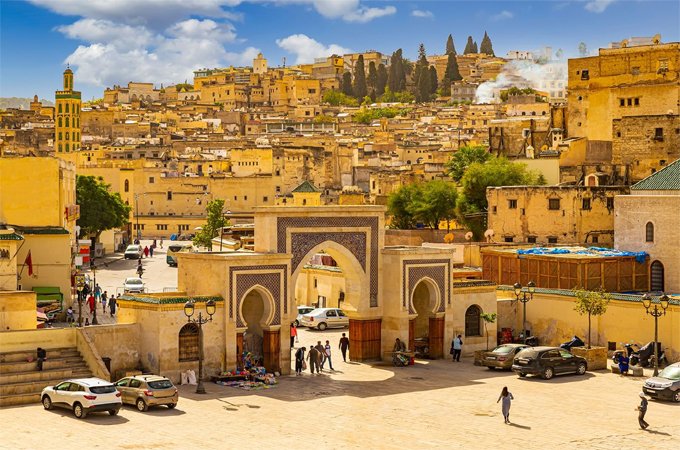
Industry analysts attribute the surge to Morocco’s strategic focus on expanding international connectivity and diversifying its tourist offerings. Expanded air routes from Europe, the Middle East, and beyond have brought more visitors to the kingdom’s historic medinas, coastal resorts, and desert landscapes. Investments in airport infrastructure and hotel capacity have complemented promotional efforts aimed at emerging markets, allowing Morocco to compete more directly with long‑established global destinations.
Tourism Minister Fatim‑Zahra Ammor has highlighted the “profound transformation underway” in Morocco’s tourism sector, with ongoing efforts to enhance the quality and sustainability of visitor experiences across regions.
Looking Toward 2030 and Beyond
Despite the strong 2025 results, government targets remain ambitious. Morocco aims to attract 26 million tourists by 2030, bolstered by its role as a co‑host of the FIFA World Cup alongside Spain and Portugal. This mega‑event is expected to further accelerate infrastructure development and global visibility.
Beyond headline numbers, emerging segments such as luxury, eco‑tourism, and cultural heritage travel are beginning to flourish, signaling a maturation of the market that could deliver more evenly distributed economic gains. Travel professionals also anticipate that regional diversification—spreading tourism beyond classic hubs like Marrakech and Casablanca—will be critical to sustaining long‑term growth.
Regional Context
Morocco’s milestone comes amid a broader rebound in African tourism. Neighboring Egypt, traditionally a tourism powerhouse, also reported strong performance in 2025, reinforcing the continent’s recovery from pandemic‑era declines and underlining North Africa’s appeal to global travelers.