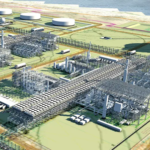

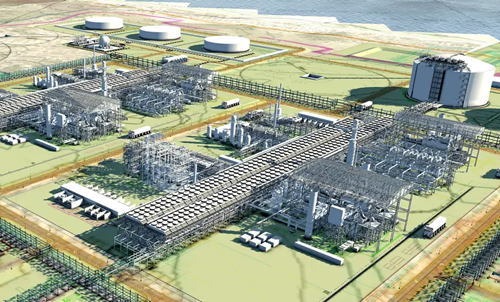
In a decisive move that signals both economic resilience and renewed optimism for Africa’s energy landscape, French energy giant Total Energies has formally relaunched its $20 billion Mozambique liquefied natural gas (LNG) project, nearly five years after construction was brought to a standstill by a devastating jihadist attack in northern Mozambique.
The sprawling project, based in the Afungi area of Cabo Delgado province, had been suspended in 2021 following a militant assault that killed hundreds and prompted the company to declare force majeure. Now, with security conditions showing improvement and key stakeholders aligned, work has resumed both onshore and offshore — a development that could redefine Mozambique’s economic trajectory.
Restart Amid Complex Challenges
At a high-profile ceremony marking the relaunch on January 29, TotalEnergies chief executive Patrick Pouyané and Mozambique’s President Daniel Chapo underscored the symbolic and strategic significance of the project’s revival. The announcement comes as the country seeks to emerge from years of conflict and instability that have plagued its resource-rich northern provinces.
“The force majeure is over,” Pouyané declared, signalling that the industrial giant is moving forward with renewed determination to complete one of the largest private investments on the African continent.
The $20 billion facility — designed to produce an estimated 13 million tonnes of LNG annually — is expected to begin delivering gas by 2029, potentially yielding up to $35 billion in revenue for the Mozambican government over its operational lifespan.
Jobs, Local Content, and Economic Prospects
With construction recommencing, TotalEnergies has already mobilised over 4,000 workers, about 80 % of whom are Mozambican nationals, offering a much-needed boost to employment in a region where job creation has lagged historically.
Local content commitments — including contracts worth billions of dollars to Mozambican firms — are central to expectations that the project will drive economic inclusion and capacity building. “This is about more than LNG,” said a senior Mozambican energy official. “It’s about empowering communities and equipping our workforce for long-term prosperity.”
Security Gains, Persistent Risks
While the security climate in Cabo Delgado has improved since the height of insurgent violence, sporadic militant activity continues to underscore the fragile environment in which the project operates. Regional military cooperation, including the presence of Rwandan forces, has played a key role in stabilising the area and enabling the large-scale energy investment to proceed.
Strategic and Global Implications
The project’s relaunch also carries geopolitical weight. Mozambique has long been poised to become a major LNG exporter, with TotalEnergies’ restart reinforcing the country’s standing in global energy markets and attracting attention from Asian and European buyers seeking reliable gas supplies amid global energy transitions.
However, the journey to this point has not been without controversy. The project has drawn criticism from environmental and rights groups, and investors such as the UK government previously withdrew financing citing risk concerns — a reminder that large energy megaprojects in conflict-sensitive regions are as much about politics and community impact as they are about hydrocarbons.